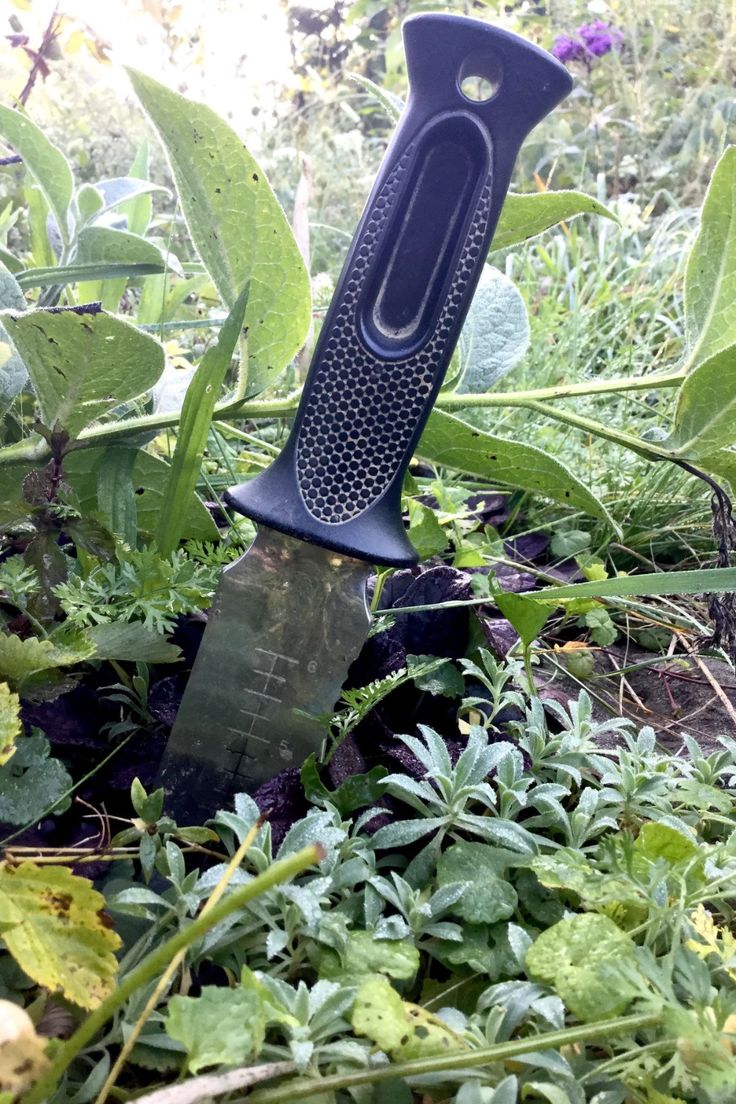
Discovering the Essential Tool: The Japanese Gardening Knife
For any dedicated gardener, the right tools are not just accessories; they are extensions of their passion and skill. Among a vast array of implements, one hand tool consistently rises above the rest in terms of utility and sheer effectiveness: the Japanese Gardening Knife. Far more than a simple blade, this versatile workhorse embodies the precision, efficiency, and thoughtful design synonymous with Japanese craftsmanship, transforming how gardeners approach their daily chores.
Whether you're a seasoned green thumb or just starting to cultivate your first patch, incorporating a Japanese gardening knife into your toolkit is a game-changer. It's renowned for its ability to tackle a multitude of tasks, from delicate planting and meticulous weeding to robust soil mixing and root cutting. Its unparalleled adaptability has earned it a devoted following worldwide, cementing its status as an indispensable item for anyone who loves to get their hands dirty.
The Unrivaled Versatility of the Japanese Gardening Knife
What makes a Japanese Gardening Knife so indispensable? The answer lies in its ingenious design, which often combines several functionalities into a single, ergonomic tool. Unlike many specialized gardening implements, a well-crafted Japanese gardening knife is designed to be an all-in-one solution for countless tasks. This multi-purpose nature not only streamlines your gardening process but also reduces the number of tools you need to carry around the garden.
Imagine being able to dig a perfect planting hole, slice through stubborn roots, measure planting depth, transplant delicate seedlings, and effortlessly remove weeds with just one tool. This is the promise and reality of a Japanese gardening knife. Its design ethos prioritizes efficiency and effectiveness, ensuring that every cut, dig, and scrape is performed with precision. This makes it an invaluable asset for:
- Planting: Creating neat holes, scoring root balls, and even opening seed packets.
- Weeding: Its sharp blade and often serrated edge make quick work of even the most entrenched weeds, cutting them at the root.
- Transplanting: Gently prying up plants, preparing new spots, and dividing perennials with minimal disturbance.
- Soil Preparation: Mixing amendments into the soil, breaking up compacted earth, and aerating beds.
- Harvesting: Cleanly cutting vegetables and flowers from their stems.
- General Maintenance: Cutting twine, opening bags of soil, and trimming small branches.
The core principle behind this versatility is the thoughtful engineering of the blade itself, often featuring a blend of sharp, smooth, and serrated edges, coupled with a robust construction built to last.
The Hori Hori: A Gardener's Best Friend
When discussing Japanese Gardening Knives, one name invariably comes to the forefront: the Hori Hori. Often referred to as a "soil knife" or "weeding knife," the Hori Hori has garnered an almost cult-like following among gardeners, and for good reason. It is arguably the quintessential example of the versatile Japanese gardening knife, combining robust digging capabilities with delicate cutting power.
If you've been considering upgrading your gardening arsenal or simply want to discover a tool that will genuinely change your gardening experience, the Hori Hori is a beloved favorite you'll be happy you grabbed. Its popularity is a testament to its effectiveness and durability, with many brands boasting exceptionally high ratings and enthusiastic reviews from users who wouldn't garden without it. For a deeper dive into why this specific tool is so cherished, you might find Why Gardeners Love the Hori Hori: Your Essential Japanese Tool incredibly informative.
What Makes the Hori Hori So Indispensable?
The unique design of the Hori Hori is what sets it apart. While there are many brands and styles of hori hori-style knives, they share common characteristics that contribute to their effectiveness:
- Concave Blade: The scoop-like shape of the blade is perfect for digging, transplanting, and scooping soil. This allows it to function much like a trowel, but with added cutting power.
- Dual Edges: Most Hori Hori knives feature a sharp, straight edge on one side and a serrated edge on the other. The straight edge is ideal for precise cutting, slicing through roots, and opening bags, while the serrated edge excels at sawing through tougher roots, woody stems, or even small branches.
- Sharpened Tip: The pointed tip makes it easy to penetrate compacted soil, dig out stubborn taproots, or create precise planting holes.
- Depth Measurements: Many Hori Hori blades include engraved depth measurements (in inches and/or centimeters). This seemingly simple addition is incredibly useful for ensuring consistent planting depths for seeds, bulbs, and seedlings, eliminating the need for a separate ruler.
- Full Tang Construction: High-quality Hori Hori knives often feature a full tang, meaning the metal of the blade extends fully through the handle. This construction significantly enhances the tool's strength, balance, and durability, ensuring it can withstand rigorous use without bending or breaking.
Beyond Weeding: Diverse Uses for Your Hori Hori
While often called a "weeding knife," the Hori Hori's capabilities extend far beyond simply removing unwanted plants. Its robust design makes it an all-around tool for virtually any garden chore, reinforcing the idea that Japanese Gardening Knives are the All-Around Tool for Planting & Weeding. Consider these practical applications:
- Transplanting: The curved blade is perfect for digging up small plants with an intact root ball, and then creating a precisely sized hole in the new location.
- Dividing Perennials: The sharp edge can cleanly cut through dense root systems, making it easy to divide hostas, daylilies, and other clumping plants.
- Bulb Planting: Use the measurements to ensure bulbs are planted at their optimal depth, and the blade to create a clean, deep hole.
- Seed Furrows: The straight edge can be used to create neat, consistent furrows for planting seeds.
- Root Pruning: For container plants or those needing a bit of root management, the Hori Hori can precisely trim overgrown roots.
- Cuttings: Its sharp blade allows for clean cuts when taking plant cuttings for propagation.
With a Hori Hori, you truly have a multi-tool that replaces several single-purpose implements, making your gardening more efficient and enjoyable.
Choosing Your Perfect Japanese Gardening Knife: What to Look For
Investing in a quality Japanese Gardening Knife means selecting a tool that will stand the test of time and perform reliably. Here's what to consider when making your choice:
- Blade Material:
- Carbon Steel: Offers superior sharpness and edge retention, but is prone to rust if not properly maintained. Requires regular cleaning and oiling.
- Stainless Steel: More resistant to rust and easier to maintain, but may not hold an edge quite as long as high-carbon steel. A good choice for those who prefer lower maintenance.
- High Carbon Stainless Steel: A popular compromise, offering good edge retention with improved rust resistance.
- Handle Material & Ergonomics: Look for a comfortable handle that fits well in your hand. Common materials include wood (often sustainable hardwoods), plastic, or rubberized grips. Wood offers a classic feel and good grip, while synthetic materials can be more weather-resistant. Ensure the handle provides a secure grip, especially when wet.
- Tang Construction: As mentioned, a full tang provides the best durability and balance. Avoid knives where the blade is simply glued or screwed into a short handle piece, as these are more prone to breaking under stress.
- Sheath: A durable sheath (often leather or heavy-duty synthetic) is crucial for safety and protecting the blade when not in use. It also makes carrying the knife around the garden much easier.
- Features: Decide if you need depth markers, a bottle opener (some models include this!), or a specific type of serration.
Remember, a good Japanese gardening knife is an investment. Opting for a higher-quality tool initially will save you money and frustration in the long run.
Mastering Your Japanese Gardening Knife: Tips for Success
To ensure your Japanese Gardening Knife remains a reliable companion for years to come, proper use and maintenance are key:
- Safety First: These knives are exceptionally sharp. Always handle them with care, keep them in their sheath when not in use, and be mindful of your fingers and surroundings. Consider wearing cut-resistant gloves for added protection.
- Clean After Each Use: Soil, sap, and plant residues can corrode the blade. Wipe down your knife with a damp cloth immediately after use, then dry it thoroughly. For carbon steel blades, apply a thin coat of camellia oil or mineral oil to prevent rust.
- Sharpen Regularly: A sharp knife is a safe and efficient knife. Use a sharpening stone or diamond sharpener appropriate for your blade type. Maintain the original angle of the blade for best results. Pay attention to both the straight and serrated edges.
- Store Properly: Always store your knife in its sheath in a dry place, away from moisture and extreme temperatures.
- Understand Its Limits: While robust, a gardening knife isn't meant for heavy-duty prying or chopping large roots and branches. Use appropriate tools for those tasks to avoid damaging your knife.
By following these simple steps, your Japanese gardening knife will not only maintain its legendary sharpness but also become an even more trusted and indispensable part of your gardening journey.
Embrace the Efficiency of Japanese Gardening Knives
The Japanese Gardening Knife, particularly the celebrated Hori Hori, is more than just a tool; it's an emblem of efficiency, versatility, and the joy of working with a well-designed implement. Its ability to effortlessly transition between planting, weeding, digging, and cutting makes it a cornerstone for both novice and experienced gardeners alike. By understanding its unique design, choosing a quality model, and committing to proper maintenance, you'll discover why this iconic tool enjoys such a devoted following. Elevate your gardening experience and embrace the unparalleled utility of a Japanese gardening knife – your hands (and your garden) will thank you.