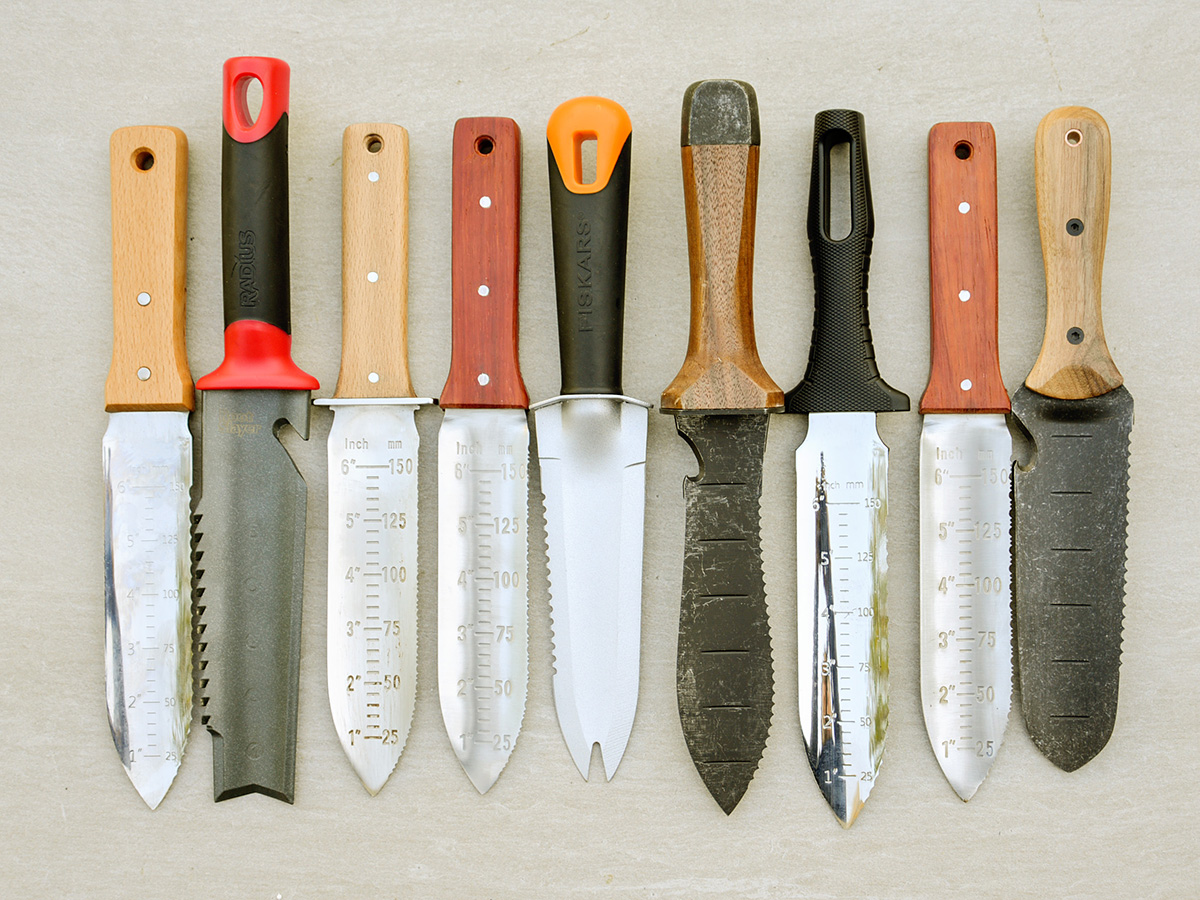
Japanese Gardening Knives: The All-Around Tool for Planting & Weeding
In the tranquil world of gardening, where patience meets passion, the right tools can transform effort into pure joy. Among the countless implements available to the modern gardener, one stands out for its unparalleled versatility, precision, and robust design: the
Japanese Gardening Knife. Far more than just a simple blade, this indispensable tool embodies centuries of Japanese craftsmanship, offering a single solution for a multitude of garden chores, from delicate planting to tenacious weeding. If you're looking to elevate your gardening experience, understanding the power of a quality Japanese gardening knife is your first step.
What Makes a Japanese Gardening Knife Indispensable?
At its core, a
Japanese Gardening Knife is designed for efficiency and durability. Unlike specialized tools that perform one specific function, this hand tool excels across a broad spectrum of tasks, making it a true workhorse in any garden. Its design typically features a strong, often stainless steel blade with a sharp tip and sometimes a serrated edge, allowing it to cut, dig, plant, and weed with remarkable ease. This ingenious combination of features is what sets it apart and makes it a favorite among experienced horticulturists and budding enthusiasts alike.
The strength of these knives lies in their heritage. Japanese tool-making traditions emphasize superior steel quality, meticulous forging techniques, and ergonomic designs that ensure both effectiveness and comfort during prolonged use. This attention to detail results in a tool that not only performs exceptionally well but also lasts for generations with proper care. Whether you're breaking up compacted soil, transplanting delicate seedlings, or tackling stubborn taproots, the precise control and power offered by a Japanese gardening knife are unmatched.
The Signature Hori Hori: A Gardener's Best Friend
When people speak of a
Japanese Gardening Knife, they are often referring to the Hori Hori. This particular style has garnered a devoted following for very good reason. The term "Hori Hori" roughly translates to "dig-dig" in Japanese, a testament to its primary function and the satisfying sound it makes when digging into soil. Typically, a Hori Hori knife features a concave, trowel-like blade that is sharp on one side and serrated on the other. Many also include depth markings etched onto the blade, allowing for precise planting of bulbs and seeds.
The Hori Hori's dual-edge design is its superpower. The sharp, straight edge is perfect for cutting through roots, opening soil bags, or even trimming twine. The serrated edge, on the other hand, makes quick work of sawing through tougher roots or fibrous plants, acting like a small, hand-held saw. Its pointed tip is ideal for digging, prying, and weeding, navigating tight spaces between plants without disturbing their root systems. This multi-functionality means you can often carry just one tool instead of a trowel, a cultivator, and a weeding fork, significantly streamlining your gardening process. For more on this beloved tool, delve into
Why Gardeners Love the Hori Hori: Your Essential Japanese Tool.
Beyond the Basics: Advanced Uses & Techniques
While planting and weeding are foundational tasks for which the Japanese gardening knife excels, its capabilities extend much further. With a bit of creativity and practice, this tool can become the most versatile item in your gardening arsenal.
*
Transplanting: The sharp edge and narrow profile allow you to dig a precise hole for seedlings and then gently loosen the soil around a plant you wish to move, minimizing root disturbance.
*
Dividing Perennials: Its robust blade can cleanly cut through dense root balls of perennials like hostas or daylilies, encouraging healthier growth and providing new plants.
*
Root Removal: Stubborn taproots of dandelions or thistles are no match for the sharp tip and strong blade, which can leverage them out with minimal effort.
*
Soil Mixing and Aeration: Use the blade to break up clumps of soil, mix in compost or fertilizer, and aerate compacted beds, promoting better drainage and nutrient absorption.
*
Cutting & Pruning: For small branches, twine, or even opening stubborn bags of potting mix, the sharp edge is incredibly handy.
*
Bulb Planting: The depth markings on many Hori Hori knives are invaluable for planting bulbs at their optimal depth, ensuring they get the best start.
For a deeper dive into all the ways this tool can transform your gardening routine, you might be interested in
Discover the Versatility of Japanese Gardening Knives for Every Chore.
Choosing Your Japanese Gardening Knife
Selecting the right
Japanese Gardening Knife involves considering a few key factors to ensure it meets your specific needs and preferences.
*
Blade Material: High-carbon steel offers superior sharpness and edge retention but requires more diligent cleaning to prevent rust. Stainless steel is more rust-resistant and easier to maintain, though it might not hold an edge quite as long.
*
Handle Material and Ergonomics: Look for a comfortable, non-slip grip. Wood handles offer a classic feel, while synthetic materials provide excellent grip even when wet. A full-tang design (where the blade steel extends through the entire handle) indicates superior strength and durability.
*
Sheath: A sturdy, protective sheath is essential for safety and for keeping your blade sharp and clean when not in use. Leather or heavy-duty synthetic materials are common.
*
Size and Weight: While most Hori Hori knives are roughly similar in size, some variations exist. Consider what feels balanced and comfortable in your hand for extended periods of use.
Maintaining Your Japanese Gardening Knife for Longevity
A well-maintained
Japanese Gardening Knife is a joy to use and can last a lifetime. Proper care not only preserves its sharpness and functionality but also prevents rust and corrosion.
1.
Clean After Each Use: Immediately after gardening, wipe the blade clean of all soil and debris. A damp cloth followed by a dry one is usually sufficient. For stubborn sap or residue, a mild abrasive or steel wool can be used.
2.
Dry Thoroughly: Moisture is the enemy of steel. Ensure the blade is completely dry before storing it, especially if it's high-carbon steel.
3.
Oil the Blade: For carbon steel knives, apply a thin layer of camellia oil (or a similar protective oil) to the blade before storing. This creates a barrier against moisture and rust. Even stainless steel can benefit from occasional oiling, especially if stored in humid conditions.
4.
Sharpen Regularly: A dull knife is a dangerous and inefficient knife. Use a sharpening stone appropriate for garden tools to maintain a keen edge. Focus on maintaining the original blade angle. If you're unsure, watch a few tutorials or consult a professional.
5.
Store Safely: Always store your Japanese gardening knife in its sheath to protect the blade and prevent accidental injury. Hang it or keep it in a designated tool area where it's protected from the elements.
Why Every Gardener Needs a Japanese Gardening Knife
The enduring appeal of the
Japanese Gardening Knife, particularly the Hori Hori, lies in its ability to simplify and enhance the gardening experience. For beginners, it's a forgiving and powerful tool that handles many tasks that might otherwise require a clumsy collection of implements. For seasoned gardeners, it's a testament to efficient design and robust performance, quickly becoming the first tool they reach for.
Its blend of tradition, craftsmanship, and unparalleled functionality makes it more than just a tool; it's an investment in your gardening success and enjoyment. By offering precision for delicate tasks and brute strength for demanding ones, a Japanese gardening knife truly lives up to its reputation as the all-around tool for planting, weeding, and virtually every other chore in your garden. Embrace the efficiency and tradition, and discover how this singular blade can transform your green space and your connection to it.
In conclusion, the versatility and performance of a
Japanese Gardening Knife make it an essential addition to any gardener's toolkit. From its ability to tackle planting, weeding, and soil mixing with ease, to its exceptional durability and ergonomic design, this tool truly embodies the spirit of efficient and joyful gardening. Invest in a quality Japanese gardening knife, care for it well, and watch as it becomes your most trusted companion in the garden for years to come.